

If you've ever woken up with a crease across your cheek, frizzy hair, or a pillow that somehow feels hot no matter the season, the problem probably isn't your skincare routine or your shampoo. It's what you're sleeping on.
Cotton, the fabric most of us grew up sleeping on, feels soft in the store but behaves very differently at 3 a.m. It absorbs moisture, grips onto hair, and creates friction every time you shift positions. Silk does the opposite — and the difference shows up on your face and in your hair faster than most people expect.
The Friction Problem Nobody Talks About
Every night, you move between 40 and 70 times in your sleep. On a cotton pillowcase, each movement drags your skin and hair against a rough, moisture-absorbing surface. Over months and years, that friction contributes to:
- Sleep creases and fine lines — repeated compression on the same skin folds
- Hair breakage and tangles — cuticles catching on cotton fibers
- Frizz — cotton pulls moisture out of hair overnight, leaving it dry by morning
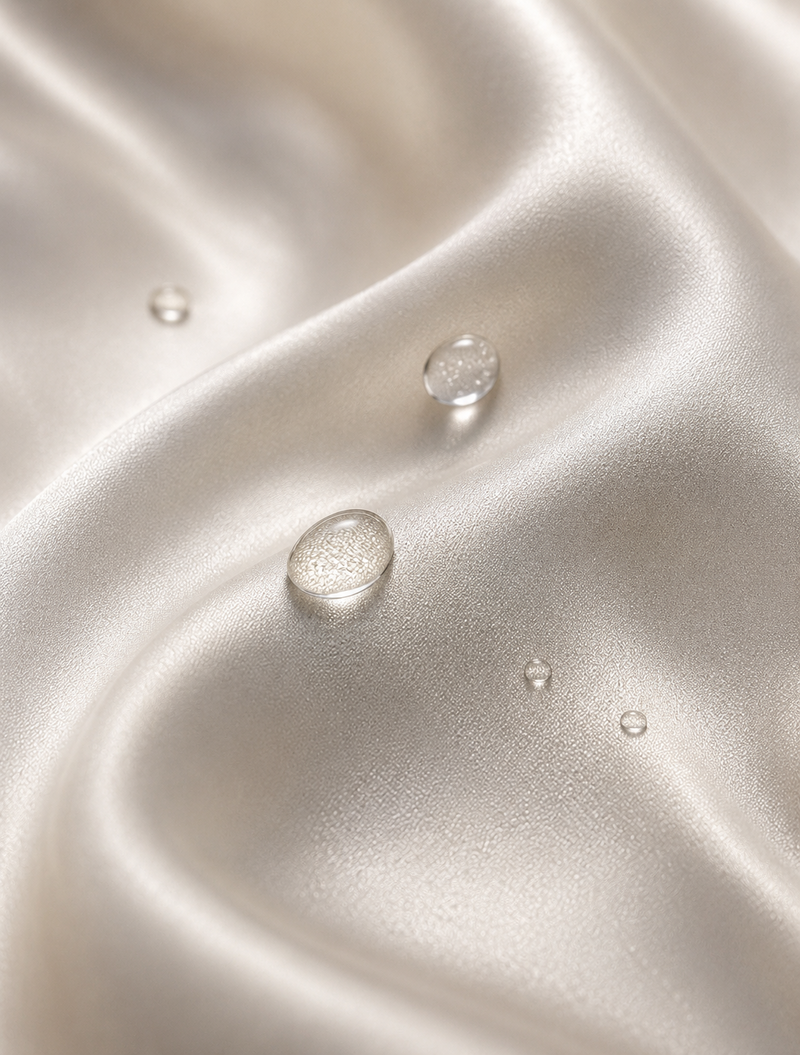
Silk's smooth, tightly-woven surface lets your skin and hair glide instead of drag. Less friction means less mechanical stress on both.
What "22 Momme" Actually Means
If you've started shopping for silk pillowcases, you've probably seen the term "momme" (pronounced mah-may) thrown around without much explanation. Momme measures the density and weight of silk — essentially, how much 100 yards of the fabric weighs.
- Under 19 momme: thin, prone to snagging and tearing quickly
- 19–22 momme: the sweet spot — durable, substantial, still breathable
- Above 25 momme: heavier and warmer, which can feel stifling for hot sleepers
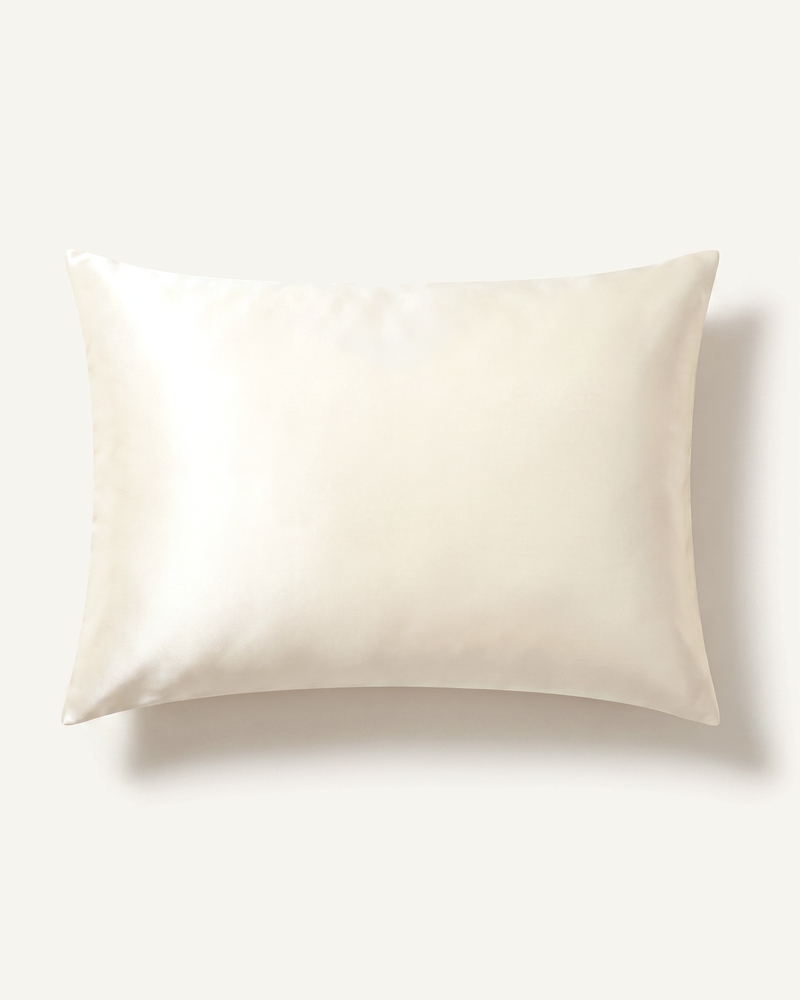
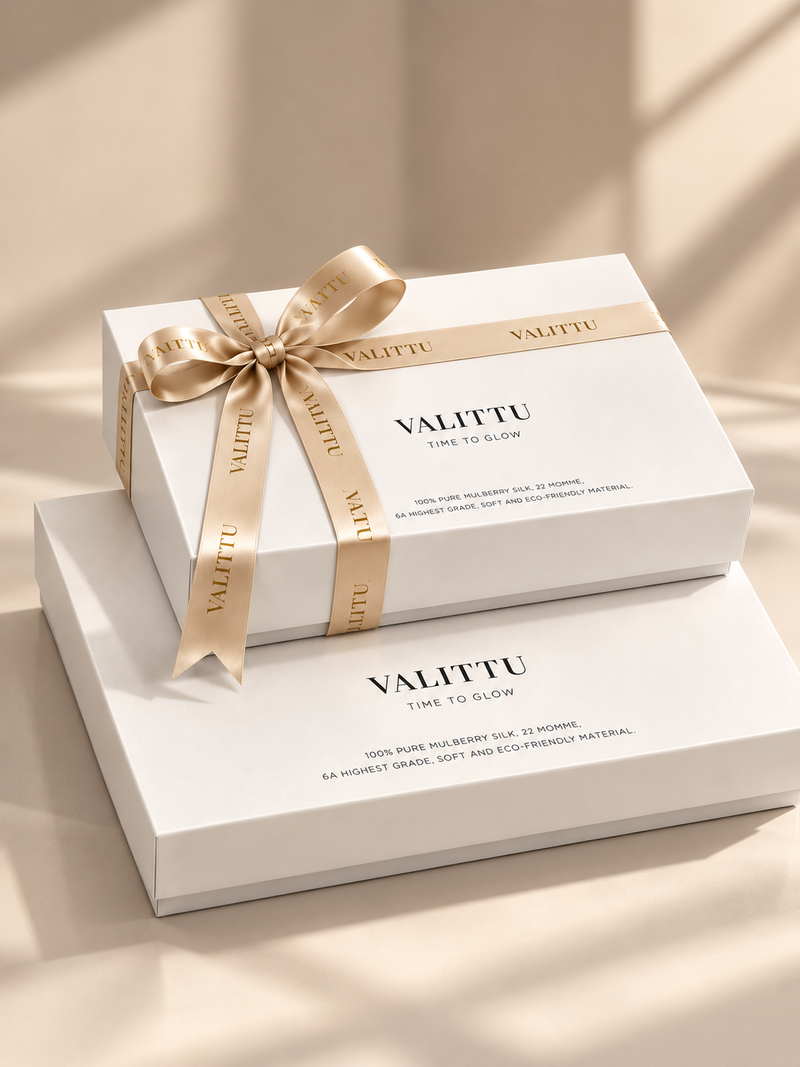
22 momme, 6A-grade mulberry silk sits right at the point where durability and comfort meet. It's dense enough to hold up to years of washing, but light enough that it doesn't trap heat the way heavier fabrics do.
Skin Benefits: More Than Just Marketing
The skincare claims around silk pillowcases can sound like hype, but the mechanism is straightforward:
Reduced friction = fewer sleep lines. Dermatologists have long pointed to "sleep wrinkles" as a real, mechanical form of skin aging — distinct from expression lines, these are caused by the face being pressed into a surface for hours each night. A smoother surface reduces that compression.
Less moisture stripping. Cotton is absorbent by design — that's exactly what makes it great for towels and terrible for pillowcases. It pulls moisture from your skin and hair overnight. Silk, by contrast, doesn't absorb in the same way, so your night cream stays on your skin instead of soaking into your pillow.
Naturally hypoallergenic. Silk is resistant to dust mites and mold, making it a better option for sensitive or acne-prone skin than fabrics that trap oil, sweat, and product residue.
Hair Benefits: Why Stylists Recommend It
For textured, color-treated, or extension-heavy hair especially, the pillowcase you sleep on matters as much as the products you use.
- Fewer tangles in the morning — smooth fibers mean less friction to knot hair overnight
- Less breakage — cotton's rough texture catches on hair cuticles; silk lets strands slide
- Color stays vibrant longer — less friction means less product and pigment rubbed away each night
- Reduced frizz — because silk doesn't pull moisture from hair the way cotton does
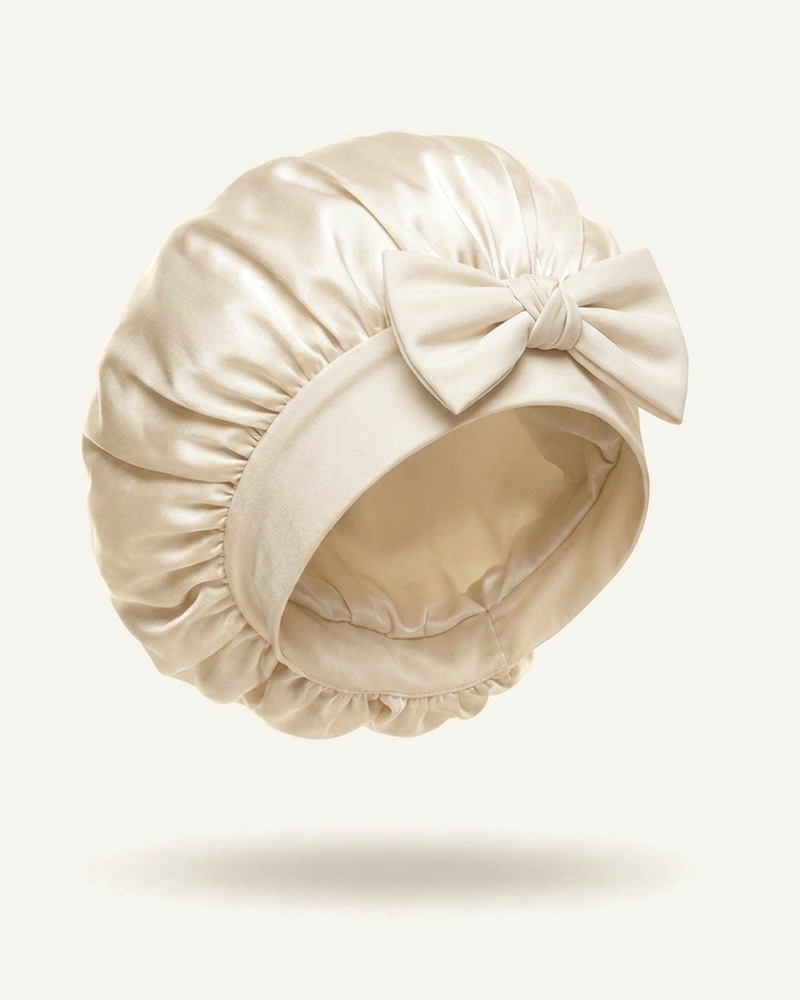
This is part of why silk bonnets have become just as popular as pillowcases for people with curly or coily hair — they protect the hair itself while you sleep, rather than just changing the surface it rests on.
Sleep Quality: The Overlooked Factor
Beyond skin and hair, silk has a practical thermal benefit: it's temperature-regulating. Unlike synthetic fabrics that trap heat, silk breathes, helping keep your head cool through the night — a small but meaningful factor if you tend to wake up overheated or restless.
Getting the Most Out of Your Silk Pillowcase
A few tips to make sure your investment actually delivers the benefits above:
- Wash it properly. Hand wash or use a gentle, cold cycle with a silk-safe detergent — regular detergent and hot water break down the fibers over time.
- Skip the fabric softener. It coats silk fibers and reduces the smoothness that makes silk effective in the first place.
- Air dry. Heat from a dryer weakens silk fibers and shortens the pillowcase's lifespan.
- Pair it with a silk bonnet if you have longer or textured hair. The pillowcase protects your face; the bonnet protects the ends and length of your hair.
The Bottom Line
A silk pillowcase isn't a miracle product, but it removes a source of nightly damage that most people don't think about — the simple friction between skin, hair, and fabric for six to eight hours every night. Switching from cotton to a well-made 22 momme mulberry silk pillowcase is one of the lowest-effort, highest-impact changes you can make to your nightly routine.